
Ever wonder if indie films are shaking up movie magic? Back when traditional movies ruled and new, bold ideas were just starting out, indie films emerged as scrappy rebels that eventually stole the spotlight.
Armed with trusty cameras and smart editing tools (simple software that cuts and arranges extra footage), these low-budget movies now shine across the globe. It’s amazing to see how fearless filmmakers turned a hidden corner of cinema into a bustling scene that still wins hearts today.
In this post, we dive into the key steps that powered indie films into being a lively, must-see force in today’s movie world.
Overview Of Independent Film Evolution And Current Dynamics
Independent film is one wild ride. Back in the day, filmmakers had to battle the big studio giants, trying to break free from a system that had its claws in the industry since 1908. Those underground rebels shook things up with daring new storytelling, and their spark still lights up today’s movies.
Now, thanks to digital cameras like DSLRs – which are fancy enough for pros but friendly for newcomers – and editing software like Final Cut Pro that lets creativity run free, filmmakers can tell their stories exactly how they want. And guess what? Streaming services like Netflix, Amazon Prime, and Hulu have turned these films into global sensations.
Today’s indie film scene is a brilliant blend of old-school grit and fresh digital magic. What started as secret, shoestring productions has blossomed into bold, celebrated creative wonders. This evolution not only shines a light on innovative film techniques but also invites us to explore the rich history, visionary directors, and the exciting future of movie-making. In truth, it’s a stunning mix where classic drive meets modern tech, creating a dynamic, heart-thumping artistic journey.
Evolution of Independent Film Trends Analysis: Growth
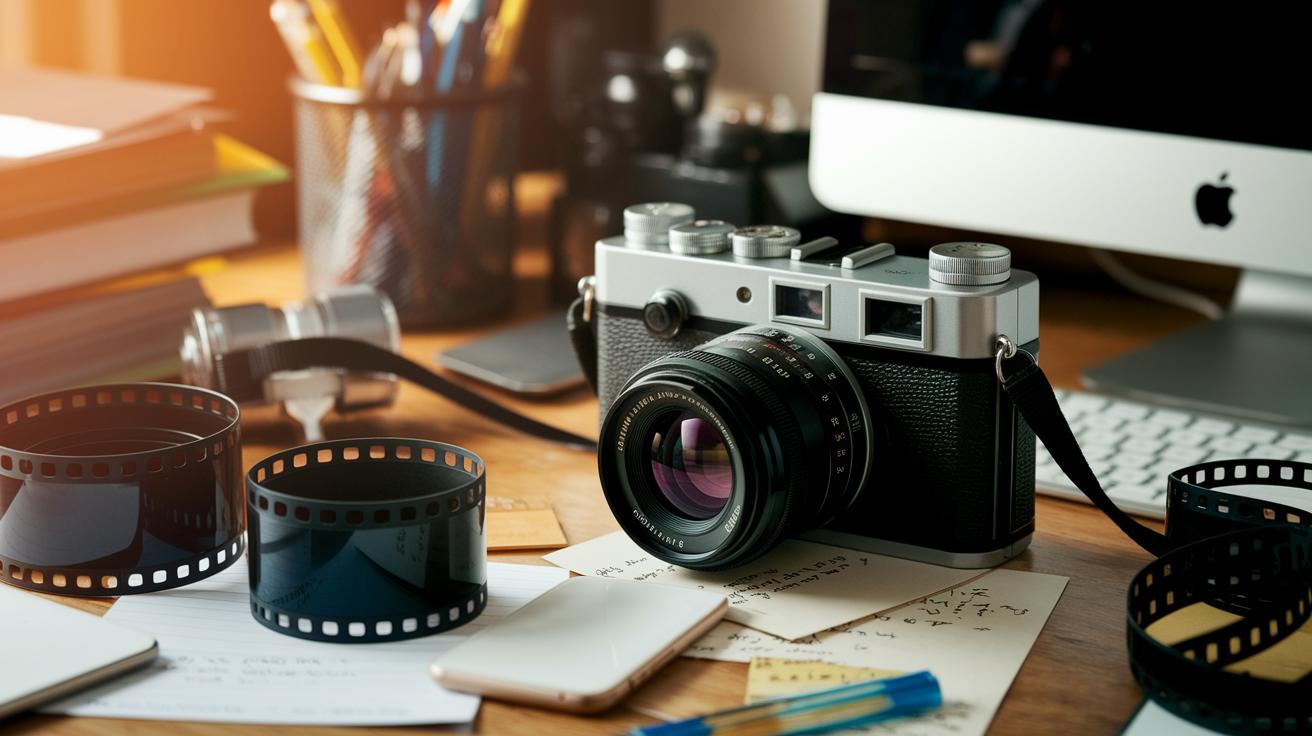
Back when movies were just starting out, big studios ruled the scene and set the stage for a rebellious wave. A small group of determined underground filmmakers broke away from the norm and began telling their stories in a raw, fresh way. Picture an underdog tale where daring creatives took chances that reshaped the movie world. These early mavericks turned simple plots into lasting cultural treasures.
When the 1950s came around, European art-house films began to shake up Hollywood’s routine. This new wave mixed sharp storytelling with a touch of gritty realism that simply couldn’t be ignored. Art-house was more than just a cool look, it changed how audiences thought about movies. Then, in the '60s and '70s, social shifts sparked even bolder, low-budget experiments. Directors like John Waters and Jim Jarmusch tossed aside the usual rules, using guerrilla filmmaking techniques that added a wild, exciting twist sure to win over fans.
In 1978, Robert Redford launched the Sundance Film Festival, marking a major milestone for indie films. Sundance quickly became the go-to place for fresh, innovative visions that caught the eyes of eager distributors. This boost turned one-off experiments into a powerful, ongoing movement full of growth and creative spirit, a trend that still shapes the film world today.
Influential Visionaries in Independent Film Trends Evolution
Indie films got their cool vibe thanks to gutsy filmmakers who tossed the rule book out the window and revamped storytelling from scratch. Think about how John Cassavetes, with his movie Shadows (1959), introduced improv acting that made scenes feel spontaneous and full of heart. Then there’s Shirley Clarke with Portrait of Jason (1967); she gave us personal documentaries that pulled back the curtain on raw, real-life moments. And let's not forget Stan Brakhage, his experimental shorts from the 1950s and ’60s looked more like a dream you suddenly found yourself in, than your typical movie scene.
Later on, a new crew of indie directors shook things up even more with creative, down-to-earth stories. Jim Jarmusch’s Stranger Than Paradise (1984) brought a quirky, offbeat charm that made character-driven plots feel fresh and relatable. Kevin Smith’s Clerks (1994) made everyday jokes an art form, turning simple humor into something memorable. And Barry Jenkins, with Moonlight (2016), blended heartfelt storytelling with major awards buzz, pushing indie cinema into exciting new territory.
- John Cassavetes (Shadows, 1959)
- Shirley Clarke (Portrait of Jason, 1967)
- Stan Brakhage (various experimental shorts, 1950s–1960s)
- Jim Jarmusch (Stranger Than Paradise, 1984)
- Barry Jenkins (Moonlight, 2016)
Production and Distribution Shifts in Independent Film Trends
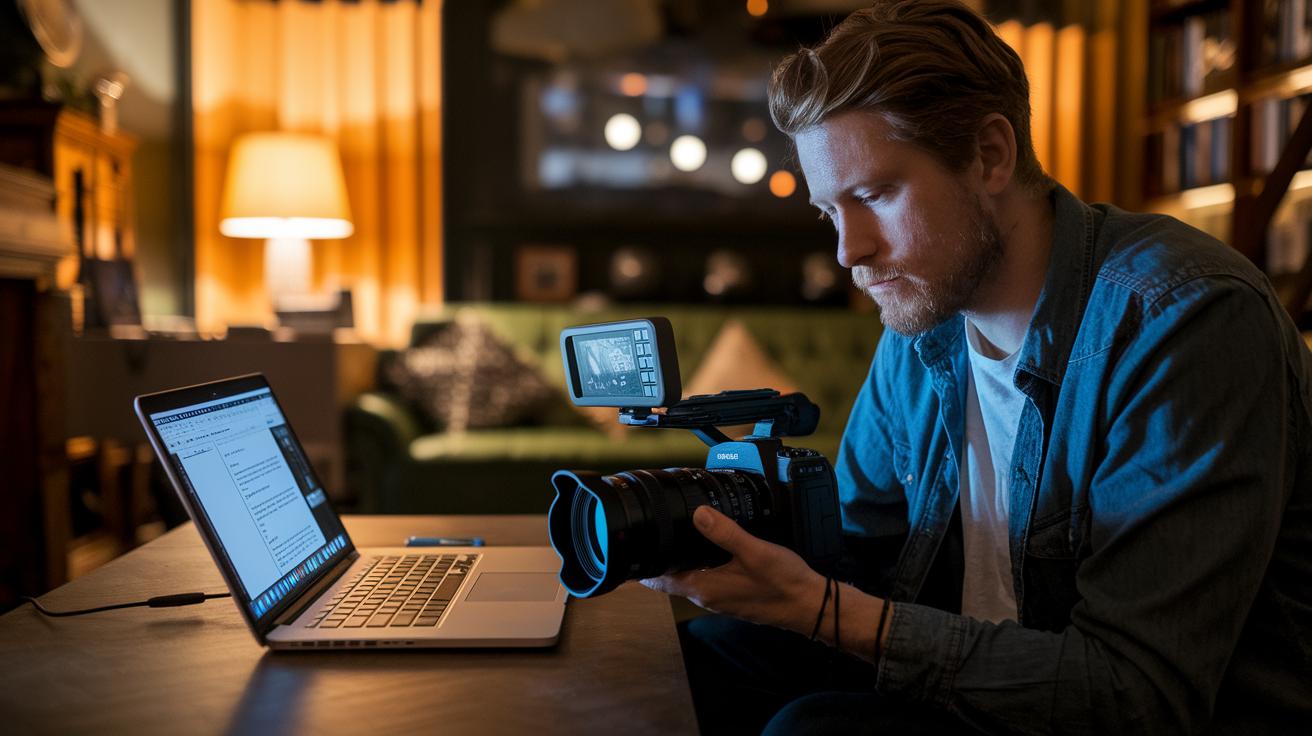
Indie film funding and distribution have totally transformed over the years. Back in the day, films spread by word of mouth and small festival circuits, but now there's a full-blown scene with key players backing projects. Think about it: the Independent Film Project started in 1979 to hook up underground filmmakers with the right distributors, and the Sundance Institute began doing its magic in 1978 by giving grants and hosting market screenings. And then there’s Kickstarter, which burst onto the scene in 2009. Crowdfunding let even smaller projects get a boost from fans, making it easier than ever to secure cash. Meanwhile, streaming services cracked open a global stage so indie films can reach fans way beyond just festivals.
New funding ideas and fresh distribution channels are rewriting the rules on how filmmakers get their work seen. The focus now is on creative funding hacks and the power of digital media to promote films. Instead of waiting for that big theatrical debut, movies now hit digital screens on platforms like Netflix, Amazon Prime, and Hulu, reaching audiences all around the globe. This shift not only dodges old-school studio hurdles but also gives filmmakers the freedom to chase their artistic dreams. These new support systems and market routes keep independent film thriving as the industry keeps on shaking things up.
| Organization | Founded Year | Role | Impact |
|---|---|---|---|
| Independent Film Project | 1979 | Nonprofit Support | Connected filmmakers to distributors |
| Sundance Institute | 1978 | Festival & Grants | Elevated indie visibility worldwide |
| Kickstarter | 2009 | Crowdfunding Platform | Democratized project financing |
Digital Disruption in Independent Film Trends
Digital tech has made movie-making way more affordable. With handy DSLRs and user-friendly editing tools like Final Cut Pro, even small filmmakers can shoot their films without breaking the bank. And it doesn’t stop there, filmmakers are now harnessing targeted online campaigns and social media chatter to grab our attention. Remember that one tweet that blew up a local screening overnight? That’s the kind of buzz we’re talking about. It’s a fresh, exciting way for indie directors to show off their unique style.
Streaming giants such as Netflix, Amazon Prime, and Hulu have completely changed how we discover indie films. Take The Blair Witch Project, for example. This film used creative online storytelling and the power of fan-made content to become a cult hit. It’s amazing how a modest budget and inventive digital tactics can launch a film onto the world stage. Curious how streaming is stirring up indie trends today? Just imagine the buzz of fans sharing every quirky detail!
Digital tools now mix filmmaking with impactful online promotion. Indie directors use everything, from the latest camera gear to smart online strategies, to pull audiences into their creative world. Fans aren’t just watching; they’re making their own trailers, reaction videos, and behind-the-scenes clips. This shared digital energy creates a vibrant, ever-growing community around each film release.
Future Forecast of Independent Film Trends Evolution
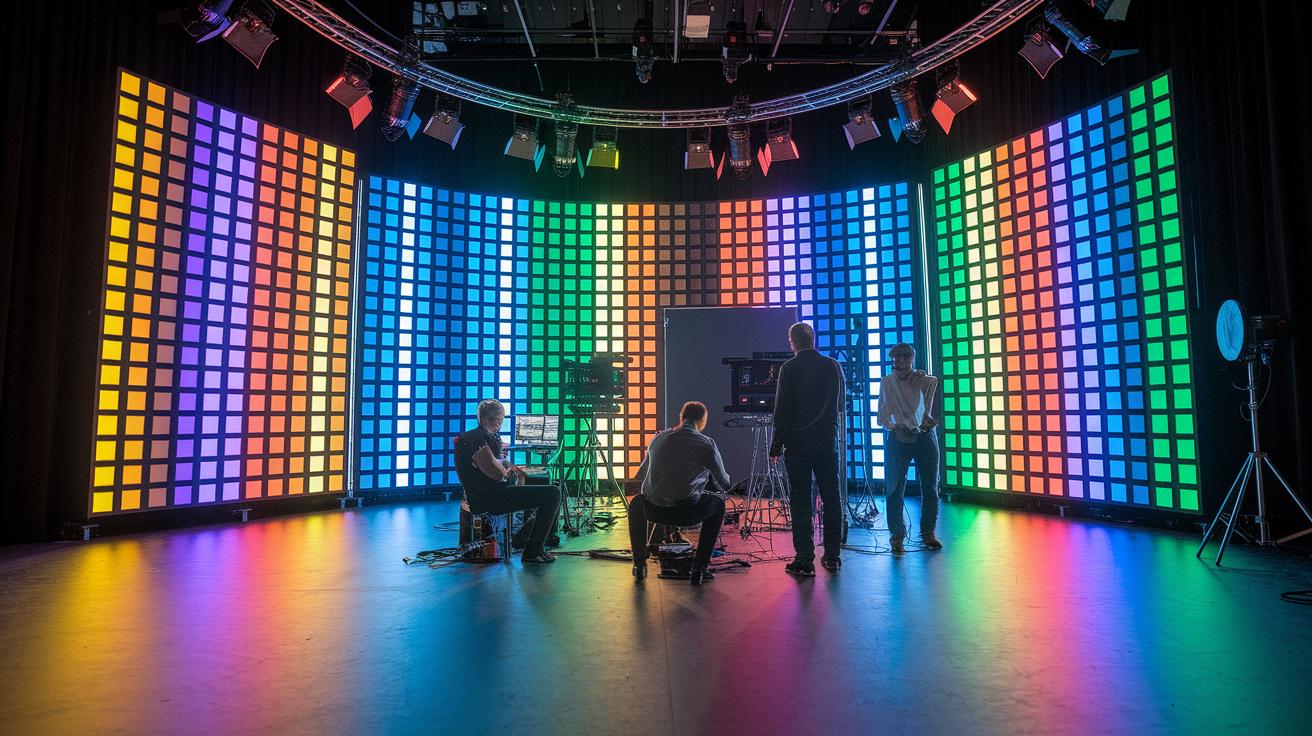
Tech is about to change the game for indie films in a big way. Virtual production – using cool LED volumes and real-time rendering – isn’t only for huge blockbusters anymore. Now, even small film crews can create amazing sets and lighting on a budget. Before virtual production spotted its chance in indie film, directors had to rely solely on practical effects that often limited their creative choices.
Cloud collaboration tools are also shaking things up. They link editing suites, visual effects teams, and sound designers all over the world so everyone can work together like they’re in the same room. And with remote work now the norm, creative minds can join forces no matter where they are. Plus, AI is stepping in to help with script analysis and tweaking dialogue – freeing filmmakers from those tedious tasks so they can focus on the fun parts.
Then there’s VR and AR, opening up whole new ways to tell stories. Indie creators are diving into virtual worlds and mixing in augmented scenes to invite audiences to step right into the action. This mix of tech and creativity means every film is a fresh adventure, keeping the indie scene as surprising and innovative as ever.
Final Words
in the action, this post spotlighted indie film’s transformative ride, from its underground roots to the digital magic that's reshaping production and the creative minds driving change. We covered everything from early film rebellions to today’s innovative tech and streaming shifts.
The discussion set the stage for a vibrant future that promises more soulful storytelling and smart tech moves. Our evolution of independent film trends analysis leaves us excited about the fresh paths ahead and celebrates the creative spirit reinventing cinema.
FAQ
What does the Evolution of independent film trends analysis PDF reveal?
The Evolution of independent film trends analysis PDF reveals major shifts in indie filmmaking, showing how technology and creative control moved from big studios to innovative filmmakers and engaged audiences worldwide.
What insights emerge from the Evolution of independent film trends analysis 2022?
The analysis from 2022 uncovers modern shifts in indie films, spotlighting digital tools and streaming trends that reshape production, distribution, and storytelling in fresh, creative ways.
What defines independent films?
Independent films are defined by creative freedom, modest budgets, and bold storytelling that breaks away from mainstream formulas, letting filmmakers experiment with fresh ideas.
What do independent film industry statistics indicate?
Independent film industry statistics indicate growth in funding, production diversity, and audience reach, highlighting the rising impact of indie cinema in today’s competitive movie market.
What role did special effects play in the evolution of cinema?
Special effects played a role in evolving cinema by enhancing visual narratives and technical innovation, helping filmmakers create immersive experiences that often push the creative limits of film.
Why do independent films matter?
Independent films matter because they bring fresh perspectives, encourage artistic risks, and challenge conventional storytelling, enriching cinema with diverse voices and innovative approaches to filmmaking.
What characteristics define indie films?
Indie films are characterized by low budgets, unique storytelling, hands-on production, and a focus on personal vision, offering a creative alternative to big-budget Hollywood fare.
What is indie filmmaking all about?
Indie filmmaking is all about producing movies outside the major studio system, empowering filmmakers to explore unconventional narratives with creative freedom and budget-sensitive techniques.

