
Ever wonder if pop music can truly shake things up? Since the 1950s, catchy beats have turned simple tunes into earworms that stick with you all day.
Pop isn't just about repeating the same old sounds. It blends fun, lively rhythms with fresh twists, think bubblegum pop’s sweet charm or urban pop’s gritty vibe, that keep you grooving no matter what.
Each style brings its own flavor, crafting a unique groove that makes you want to hit replay every time. Dive in and explore how pop always finds a way to surprise and delight.
pop music genres shine with bold appeal
When pop burst onto the scene in the 1950s, it brought a sense of fun and freshness that was perfect for the radio. Born from the energy of rock and roll, pop mixed lively beats with familiar rhythms to grab everyone’s attention. Its catchy tunes and simple chords made it a hit in everyday life. Imagine it like your favorite recipe: a touch of vibrant vocals, just the right splash of guitar, and a spark of spontaneity that turns a track into something unforgettable. Sometimes, all it takes is one great hook, like that surprising bit of news that sticks with you long after you’ve heard it.
These days, pop music has exploded into a vibrant mix of subgenres reflecting our ever-changing world. The classic sound has expanded, borrowing elements from dance, electronic, and even indie vibes to keep things exciting. Producers are now blending digital beats with live instruments, crafting songs that feel both innovative and perfect for singing along. Whether it’s bubblegum pop with its playful twist or urban pop with its smooth groove, every style adds its own flavor to the pop family. Even as musical trends shift, pop stays true to its heart of being simple, catchy, and endlessly relatable.
Dynamic Characteristics and Influences in Pop Music Genres
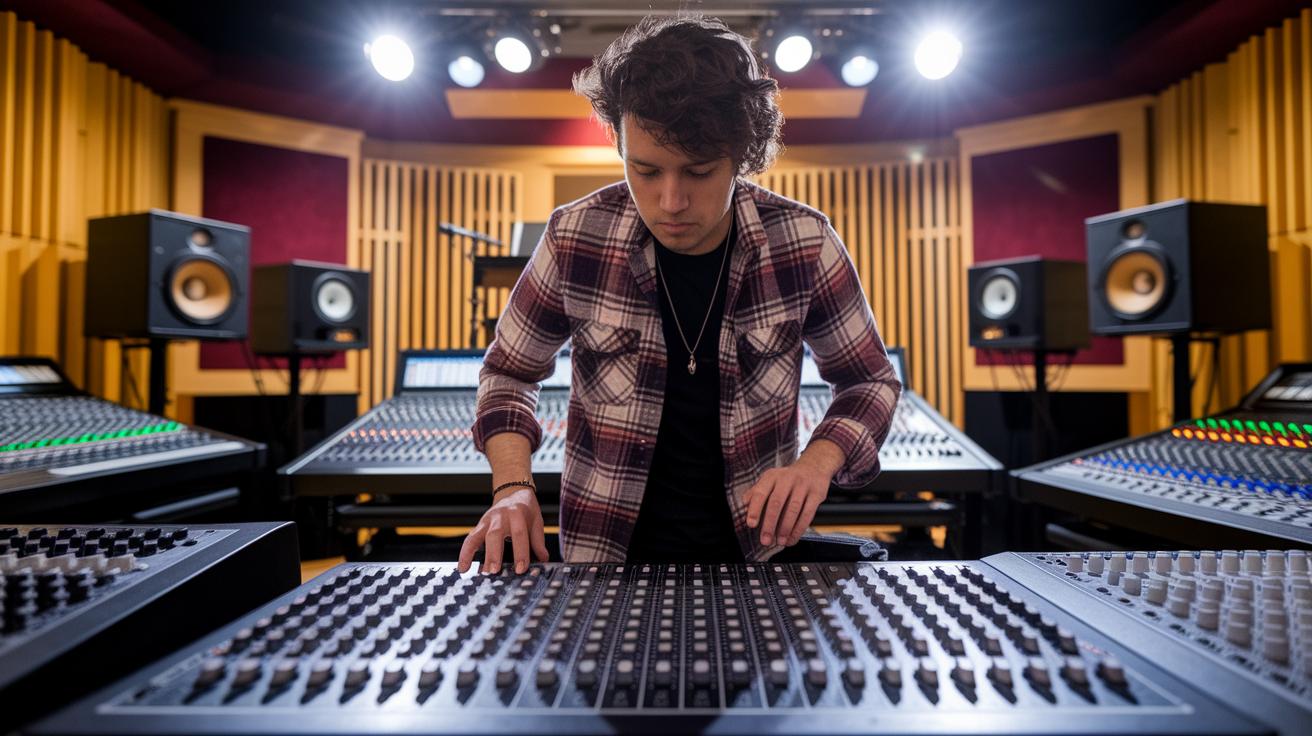
Pop music today practically pulses with digital magic. Producers are going all out with slick mixing tools and fresh synthesizers that let them tweak tracks down to the tiniest detail. Ever heard a hit where a touch of echo on the hook gives the beat a cool underlay? That's a clever trick adding flavor without stealing the show. Plus, new grooves from around the globe are mixing in, sparking some really exciting sound experiments.
Sound engineers are diving deep into tech to boost vocals and balance instruments like pros. With real-time digital monitoring and even AI that blends live instruments with digital effects, they’re laying down tracks with a unique twist. One top-chart song even shows how tiny tweaks on classic synth sounds, paired with smart software edits, build a layered vibe in today’s fast-changing pop scene.
| Element | Description |
|---|---|
| Catchy melodies | Tune hooks that lodge in your brain |
| Simple chord progressions | Easy musical backbones that flow smoothly |
| Memorable hooks | Lines you can hum long after the song ends |
| Danceable beat patterns | Groovy rhythms that make you move |
| Versatile vocal arrangements | Vocal setups that fit different moods and styles |
Evolution and Historical Context of Pop Music Genres
Pop music first popped up in the mid-1900s as a fun, foot-tapping background beat. It soon moved away from rock and roll's strong beats to songs that everyone could enjoy. And here’s a cool twist: one small-town radio station accidentally played a track that captured a whole generation's heart. That unexpected moment helped shape pop’s charm in its early days.
Today, pop music bursts with a global flair and digital creativity. Artists mix live sounds with computer-made beats to create catchy hooks that stick in your head. Imagine a song where a classic tune meets a modern digital vibe, a blend that feels both timeless and fresh. This mix not only honors pop’s roots but also shows how it grows alongside new tech and changing cultures.
Notable Subgenres of Pop Music Genres: Breakdowns and Examples

Pop music today is bursting with cool subgenres that mix fresh sounds with clever production twists. Artists blend everything from futuristic electropop beats and glitchy effects to the fun, light vibe of bubblegum pop that sticks in your head. It’s like mixing digital sparkle with vintage charm, a perfect treat for fans looking for something different. Some musicians even experiment by mashing up unexpected beats with those classic catchy hooks. Ever listened to an electropop track? It often uses quirky digital sounds and snappy synths that pull you into a futuristic groove while keeping it radio-friendly.
Then there’s indie pop and dance pop, each with its own playful twist. Indie pop feels raw and real, with down-to-earth tunes and quirky arrangements that tell personal stories. Dance pop, on the other hand, has club-ready beats and a high-energy tempo that can light up any dance floor. And don’t forget urban pop, it mixes smooth production with rap-infused verses that give off a cool, streetwise vibe. Each style stands out while keeping the irresistible charm of pop music alive.
| Subgenre | Key Characteristics | Example Artists/Tracks |
|---|---|---|
| Electropop | Digital beats, glitchy effects, futuristic synths | Artists like CHVRCHES, Owl City |
| Bubblegum Pop | Playful hooks, light production, catchy choruses | Tracks like “Call Me Maybe”, The Archies |
| Indie Pop | Raw vocals, quirky arrangements, intimate sound | Artists such as Lorde, Tame Impala |
| Dance Pop | Club-ready beats, explosive tempos, rhythmic hooks | Hits by Lady Gaga, Katy Perry |
| Urban Pop | Smooth production, rap-infused lines, streetwise vibes | Tracks by The Weeknd, Drake |
Future Trends and Digital Impact on Pop Music Genres
The digital age is flipping pop music on its head. It’s like watching a backstage pass to how tunes are crafted, marketed, and adored worldwide. Social apps like Instagram and TikTok are shaking things up, giving us quick, punchy trends and viral sounds that hit like a flash of neon on stage.
Streaming and smart data have producers mixing classic live instruments with digital beats. They’re using cool tech to tune songs just right for today's charts, where every note is backed by numbers and heart. Ever notice how a little nostalgia can get a modern remix? That’s the magic happening right now.
This blend of live sounds and computer-made beats is a total game changer. Artists are getting a sleek advantage in a super competitive scene. Experts are even betting that the next big hit will mix warm, old-school vibes with a fresh tech twist that makes your ears pop!
In short, pop music is riding a high-energy wave of digital innovation. With streaming insights and advanced production tricks in the mix, the stage is set for a creative explosion that keeps the beat fresh, fun, and unforgettably dynamic.
Final Words
In the action, we zipped through the colorful world of pop music genres. We peeked at the roots of catchy melodies and saw how modern twists have morphed basic tunes into unique subgenres. We even got a feel for the digital trends pushing today’s hits into the spotlight. Every story, every rhythm, shows that the magic really never fades, it just gets a fresh beat. Here's to more vibrant beats that keep inspiring and connecting us all.
FAQ
Frequently Asked Questions
What is pop as a genre?
The pop music genre offers accessible, radio-friendly tunes with catchy melodies and simple structures. It began in the 1950s, evolving from rock and roll into a style that captures the hearts of millions.
What are some common pop music genres and what subgenres exist?
The pop music scene breaks into various subgenres such as electropop, bubblegum pop, indie pop, dance pop, and urban pop. Each type offers a unique twist while keeping mass appeal intact.
How many types of pop music are there?
The pop music world features several subgenres, usually numbering beyond ten distinct types. This variety reflects the genre’s constant evolution and its wide-reaching influence in today’s music scene.
What are the top 10 characteristics of pop music?
The top characteristics of pop music include catchy melodies, simple chord progressions, memorable hooks, and relatable lyrics. Additional traits are dynamic vocal performances and familiar verse-chorus structures.
Can you give some pop music examples and notable artists?
The pop realm boasts countless hits and stars. Examples include chart-topping songs from artists like Taylor Swift and Bruno Mars, who consistently deliver engaging, accessible tunes loved by fans everywhere.
What is the history of pop music?
The history of pop music began in the 1950s with a focus on radio-friendly sound. Over the decades, it transformed as cultural shifts and digital advances reshaped its sound, making it a global staple.
How is the top 10 pop music determined?
The top 10 pop tracks are based on chart performance, listener trends, and radio play. This list changes with current tastes, reflecting evolving production methods and audience interests.
What music styles influenced pop music?
Influential music styles include rock and roll, R&B, and electronic dance music. Each has contributed key elements, merging to forge pop’s catchy, approachable sound that continues to evolve today.

