
Ever wonder how a sound board can change your live gig or home studio vibe? Pulse Music Boards bring together awesome performance and a plug-and-play design so you can easily mix old-school gear with the latest tech.
These boards are fast and come with a variety of ports, making the sound come through clear and strong every time. Today, we’re taking a look at how Pulse Music Boards blend fresh ideas with rock-solid reliability, so your music always stays sharp and in tune.
Pulse Music Boards: Specifications, Compatibility & Purchase Options
Pulse Music Boards deliver top-notch performance with solid speed and a bunch of flexible port options. Whether you’re rocking a live gig or cooking up tunes in your home studio, these boards serve up clear, lasting sound that hits all the right notes. They easily blend with both classic hardware and the latest digital setups, all thanks to a team that’s been perfecting the tech for over 10 years.
Built tough for the pros while staying super friendly for home studio fans, they make setting up a breeze. Need to plug in multiple microphones or hook up to your digital audio workstation? No sweat, they bridge analog and digital tools with plug-and-play ease. Plus, with speedy processors and smart I/O ports that handle everything from MIDI controllers (devices that let you control music software easily) to external amplifiers, your sound panel gets a fun and modern twist.
| Model | CPU | I/O Ports | Power Consumption | MSRP |
|---|---|---|---|---|
| Model A | 1.8 GHz Quad-Core | 4 x USB, 2 x MIDI | 45W | $299 |
| Model B | 2.2 GHz Hexa-Core | 6 x USB, 4 x MIDI | 60W | $499 |
| Model C | 2.5 GHz Octa-Core | 8 x USB, 6 x MIDI | 75W | $699 |
When it comes to buying these boards, flexibility is the name of the game. Whether you grab one straight from Pulse Music or go through an authorized reseller, you’ll enjoy reliable support and solid warranty coverage. There are even cool bundles that come loaded with extra cables, adapters, and neat software packages. With straightforward pricing and competitive offers, picking the perfect board for your studio or live event is easy, and you’ll feel confident every time you add one of these gems to your musical toolkit.
Pulse Music Boards: Software Compatibility & Platform Support
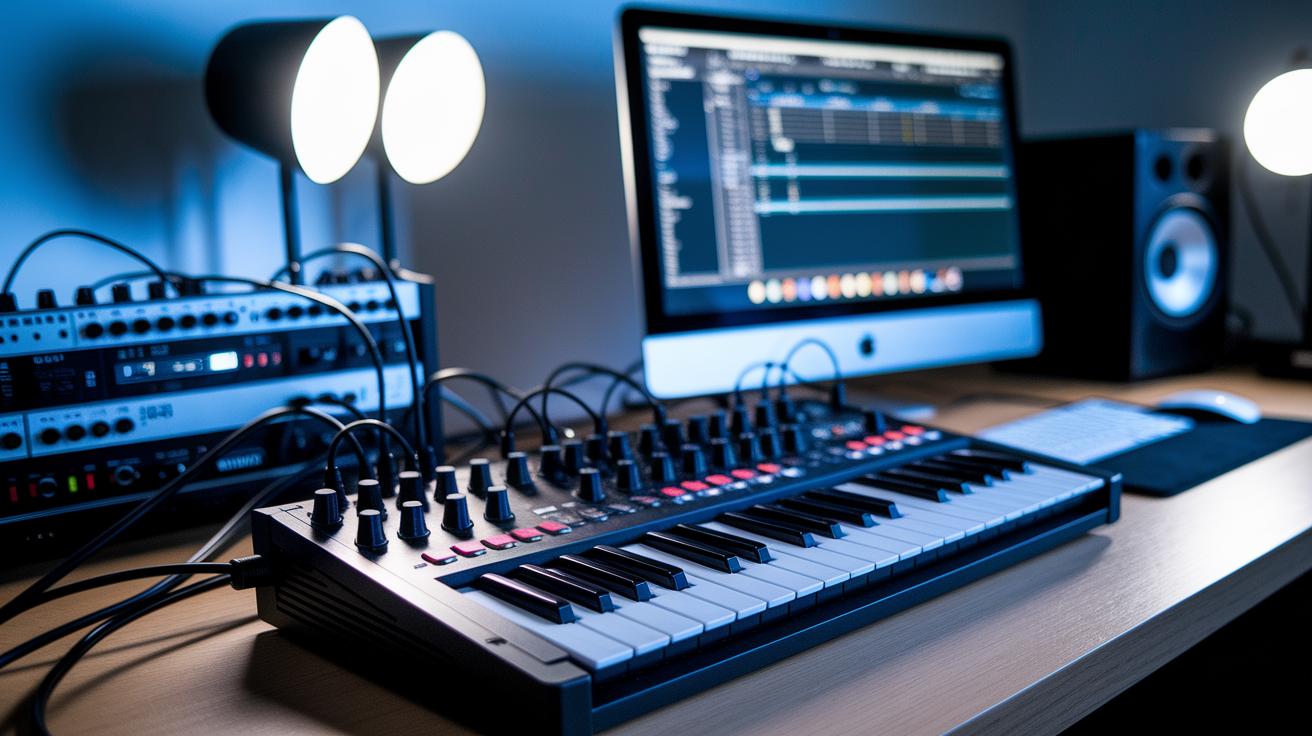
Pulse Music Boards work smoothly on desktop operating systems. They support Windows 10 and above, macOS 11 and later, and major Linux distributions. This robust compatibility makes them a perfect partner for desktop studios and live performance systems. Developers have designed the boards to seamlessly communicate with the driving software, ensuring stable performance and timely responses for every recording or live show. The desktop setup guarantees reliability and ease of use for professionals and hobbyists alike.
Mobile integration is a major strength for these boards. Both Android and iOS board app downloads let users control settings and monitor performance remotely. The apps offer remote configuration, real-time feedback, and quick adjustments mid-performance. With these powerful mobile solutions, musicians and producers can tweak parameters on the fly, ensuring that every beat and note remains sharp during live gigs or studio sessions.
Browser interfaces provide lightweight yet effective control over your Pulse Music experience. The boards offer a user-friendly web portal that lets you adjust settings with just a few clicks. This browser-based sound solution integrates neatly with cloud-based audio platforms, syncing projects and updates in real time. It’s a handy option for quick tweaks without software downloads that keep sessions smooth.
Pulse Music Boards: Installation, Firmware & DAW Integration
Before you start, make sure you’ve got all your essentials handy, USB cables, power adapters, and any extra connectors you might need. These little gadgets are the key to making sure your board connects smoothly with your other devices without any hiccups.
Once your gear is set, plug in your board and get those drivers installed. If you’re using Windows, simply run the installer and follow the on-screen prompts. Mac users usually have built-in support once you grant the proper permissions, while Linux fans can find the right drivers in their trusted repositories. Just double-check that your system’s permissions are updated and that you’ve got the latest drivers so your board syncs perfectly with your setup.
Next up, it’s time to update your firmware. Connect your Pulse Music Board, launch the official updater tool, and let it guide you through the process. This handy tool checks for compatibility and even offers solutions if you run into any connectivity snags, helping you clear out bugs and bring new features to life with each update.
Finally, dive into your digital audio workstation setup for a fully integrated experience. Whether you’re working in Ableton Live, Logic Pro X, or FL Studio, adjust your MIDI channel mapping and fine-tune your audio routing. Getting these settings right means you can handle instrument triggers and effects effortlessly, making every session feel perfectly tuned to your creative flow.
Pulse Music Boards: Real-World Use-Cases & Community Insights
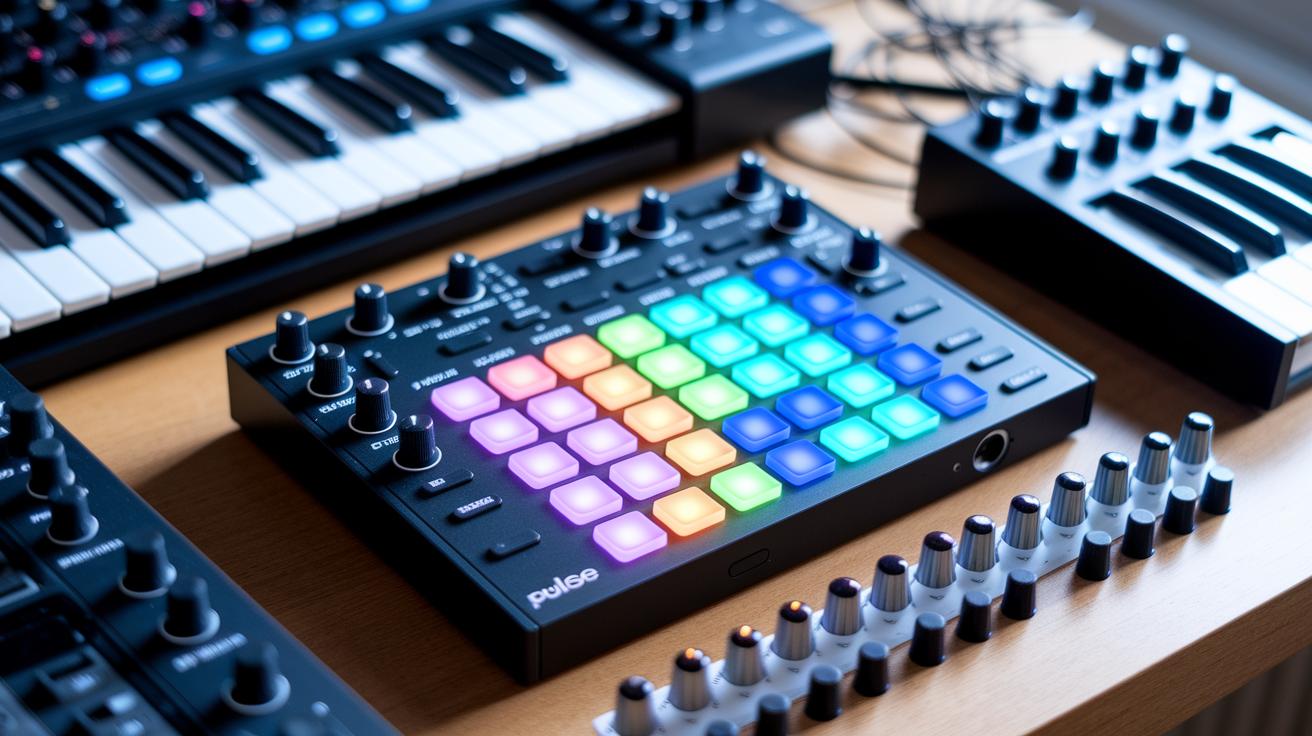
You know, when it comes to live shows, these boards steal the spotlight. Pro musicians use them on stage to juggle multiple instruments and effects in real time. Their quick, easy-to-use controls and reliable processing make sure the sound stays crisp even under a heavy load. Fans on community forums love swapping tips on nailing that perfect live mix to keep the crowd buzzing.
In the studio, sound engineers are all about these boards for their rock-solid performance and top-notch audio quality. They dig how the board smoothly juggles loads of inputs and outputs, which means capturing every little detail is a breeze. The way it links up analog and digital tools gives the whole session a smooth, streamlined feel that pros can’t get enough of.
For hobbyists, pulse music boards are like a ticket to their own mini music lab. Many fans share glowing testimonials online, recounting real experiences and live data from their own setups. These chat threads often spill the beans on early projects, tweaking signal flows, fine-tuning setups, and more. One user even said, "It’s like having a mini studio in your living room," showing just how user-friendly and creative these boards can be.
And let’s not forget the magic of community upgrades. Forum threads buzz with behind-the-scenes breakdowns of board apps and fresh ideas for firmware updates. Members love trading secrets on better MIDI channel mapping, custom expansion modules, and other creative hacks. This lively back-and-forth not only sparks experimentation but also forges real-world fixes that boost both live shows and studio sessions.
Pulse Music Boards vs Alternative Modules: Feature & Price Comparison
Choosing the right board is a bit like planning your ultimate backstage setup. You need a fast processor, handy connectivity, and a price tag that doesn’t burn a hole in your pocket. Pulse Music Boards shine with quick processors and a mix of ports that let you hook up all your instruments. Other brands step up too, offering solid specs at prices that catch your eye, so it really comes down to what fits your budget and creative vibe.
| Brand | Model | CPU | I/O | Price | Unique Feature |
|---|---|---|---|---|---|
| Pulse Music | Model A | 1.8 GHz Quad-Core | 4 USB, 2 MIDI | $299 | Optimized for live gigs |
| Pulse Music | Model B | 2.2 GHz Hexa-Core | 6 USB, 4 MIDI | $499 | Perfect for studio setups |
| SoundTech | X1 | 2.0 GHz Quad-Core | 5 USB, 2 MIDI | $349 | Budget-savvy design |
| AudioMax | ProElite | 2.5 GHz Octa-Core | 8 USB, 6 MIDI | $699 | High-end integration |
If you’re chasing high performance without overspending, Pulse Music’s Model A is a smart pick, it offers solid control for live shows without stretching your wallet. And if you’re deep into studio work, Model B packs more power for those detailed sessions. Then there’s SoundTech’s X1, which gives you reliable performance at a friendlier price, perfect for beginners. Meanwhile, AudioMax’s ProElite is your go-to if you need extra muscle and plenty of connectivity for a pro setup.
No matter if you’re gearing up for a big concert or laying down tracks in the studio, every board has its own unique flair to match your creative needs. Enjoy making music your way!
Pulse Music Boards: Pricing Tiers & Warranty Coverage
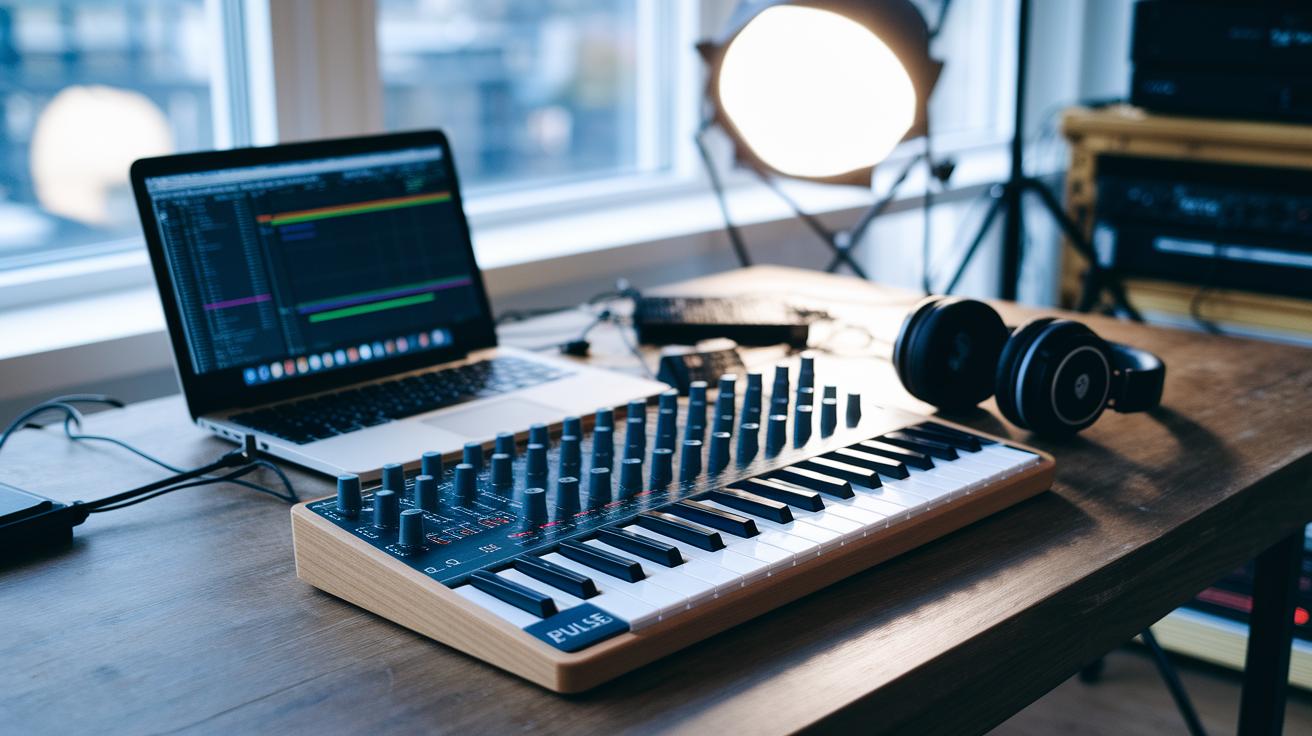
Pulse Music Boards come in a range of prices from $199 to $799, so whether you're just starting out or you're already a pro in the studio, there's a board for you. The more affordable models cover your basics perfectly, while the pricier ones pack in extra features and a bit more muscle for tougher mixes.
There's even a cool subscription option that unlocks special firmware updates and in-app perks. Imagine starting with a $199 board and later upgrading your sound with fresh audio effects, it's like adding a new accessory to complete your look!
Every board includes a solid two-year warranty, which gives you reliable backup long after your purchase. If you're into extra peace of mind, extended coverage plans are also available. Signing up for warranty protection is super easy on the official website. One user even said, "Registering online was as quick as setting up my board, no fuss and immediate protection." This hassle-free process means you can focus on making music while your board keeps getting the love and support it deserves.
Pulse Music Boards: Frequently Asked Questions
Ever wondered what a Pulse Music Board is? It's a cutting-edge device that lets you blend digital and analog audio tools seamlessly. Whether you're jamming live or recording in a studio, its crisp sound and user-friendly controls add an extra spark to your sessions.
Got a computer that runs Windows 10 or newer, macOS 11 or later, or a major Linux distribution? Great! Just make sure it has standard USB ports and enough processing power to handle your audio projects without a hitch.
Setting the BPM is super simple. Use the board's built-in controls to tap the rate button if you’re feeling the vibe, or punch in an exact number on the digital display when you need precision.
Yes, the Pulse Music Board works offline too. It lets you load pre-recorded tracks and run local sessions without always needing to be online, so you're ready to rock wherever you are.
For mobile app performance, keep things running smooth by updating the app, closing background apps, and checking your Bluetooth connection. These little tweaks make live adjustments feel effortless.
When it comes to firmware, just update whenever the official updater tool lets you know there's a new release, usually every few months. This helps fix any bugs and brings cool new features straight to you.
Need help or looking for support? Visit the official website for a list of authorized service centers and jump into the community forums where users and experts share tips and advice.
Final Words
In the action, we explored pulse music boards from specs to real-world use, covering everything from smooth software setups to hands-on performance insights. The breakdown touched on installation tips, pricing, and even side-by-side comparisons with other options.
This wrap-up leaves you ready to embrace the latest details and bring some serious pop culture flair to your projects with pulse music boards. Keep that excitement high and let your creative spark shine!
FAQ
What is a Pulse Music Board?
The Pulse Music Board is a digital sound panel built for live performance and studio recording. It features fast processing and flexible input/output options, making it ideal for diverse audio setups.
What are minimum system requirements?
The minimum system requirements include a modern operating system like Windows 10 or macOS 11, a dual-core processor with 4GB of RAM, and compatible USB ports along with the correct drivers.
How do you measure and set BPM on the board?
The board reads input signals to calculate BPM and allows you to set tempo adjustments via its control panel or app, ensuring accurate synchronization with live shows and recordings.
Can it function with offline audio platforms?
The board operates offline using its built-in software and drivers. It delivers reliable performance for audio production and live events even without an internet connection.
What tips optimize mobile app performance?
Optimizing performance involves keeping the mobile app updated, ensuring a stable connection through Bluetooth or USB, and closing unnecessary background apps to boost responsiveness.
How regularly should firmware be updated?
Firmware updates are recommended every few months or with each new release. Frequent updates improve stability, add features, and maintain smooth integration with evolving audio software.
Where can I find authorized service centers and support forums?
Authorized service centers and support forums are accessible via the official Pulse Music website, offering troubleshooting help, expert advice, and a community of users to share insights.

