
The Marvel Cinematic Universe has been nearly bulletproof at the U.S. box office for 15 years, yet even this juggernaut can falter. Over its second weekend, The Marvels nosedived a record-setting 78.1 percent—an unprecedented collapse for any major comic-book release. With domestic earnings stalled below $65 million and little holiday runway left, the film is now on track to finish between $80 million and $90 million, becoming the franchise’s first entry never to break the storied $100 million barrier. Below, we unpack the numbers, compare historic drop-offs, and explore what the stumble means for Disney and the wider superhero genre.
The Marvels Suffers a Historic 78% Nosedive
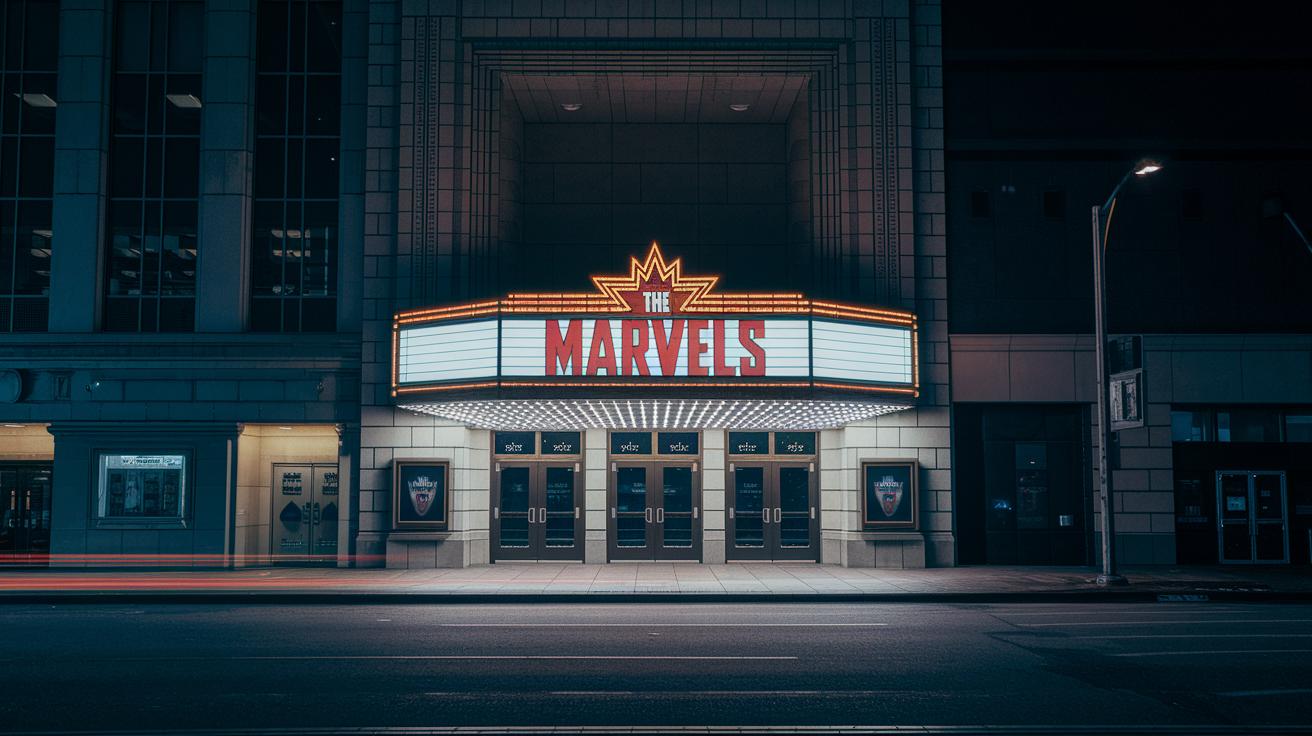
The Marvels has found itself on the wrong side of box-office history. In its sophomore frame, the MCU sequel hauled in a modest $10.1 million, tumbling a jaw-dropping 78.1 percent from its debut. That figure knocked the picture out of the domestic Top 3 during the lucrative Thanksgiving corridor and set a modern record for the steepest second-weekend decline ever posted by a wide-release comic-book movie. With only $64.9 million banked after ten days, analysts now project a lifetime domestic finish of $80-90 million, making it the first Marvel Studios title never to crack $100 million at home.
The 10 Worst Second-Weekend Drops for Comic-Book Movies
Steep sophomore falls aren’t new, but The Marvels now tops a dubious list. Rounding out the ten worst plunges are Morbius (-73.8 %), The Flash (-72.5 %), Dark Phoenix and The Suicide Squad (-71.5 % each), Hellboy II (-70.7 %), Ant-Man and the Wasp: Quantumania (-69.9 %), Hulk (-69.7 %), Batman v Superman (-69.1 %), and Elektra (-69 %). Historically, anything beyond a 65 percent drop signals poisonous word-of-mouth, limited repeat business, or both. A brutal second frame can erase opening-week momentum and often prevents a film from reaching profitability on domestic grosses alone.
Why Did Audiences Bail So Quickly?

Multiple factors fed The Marvels’ plunge. Franchise fatigue has set in after more than 30 MCU titles in 15 years, and Disney’s compressed release calendar has made each film feel less like an event. Lukewarm reviews, critic and audience scores hovered in the mid-60s on aggregator sites, dulled must-see urgency, while marketing leaned on multiverse jargon that casual viewers may find exhausting. Competition was also fierce: The Hunger Games prequel and Trolls Band Together siphoned off family and teen demographics over Thanksgiving. Add a streaming window that now arrives within weeks, and many moviegoers simply decided to wait.
A Tale of Two Flops: From Morbius to The Flash
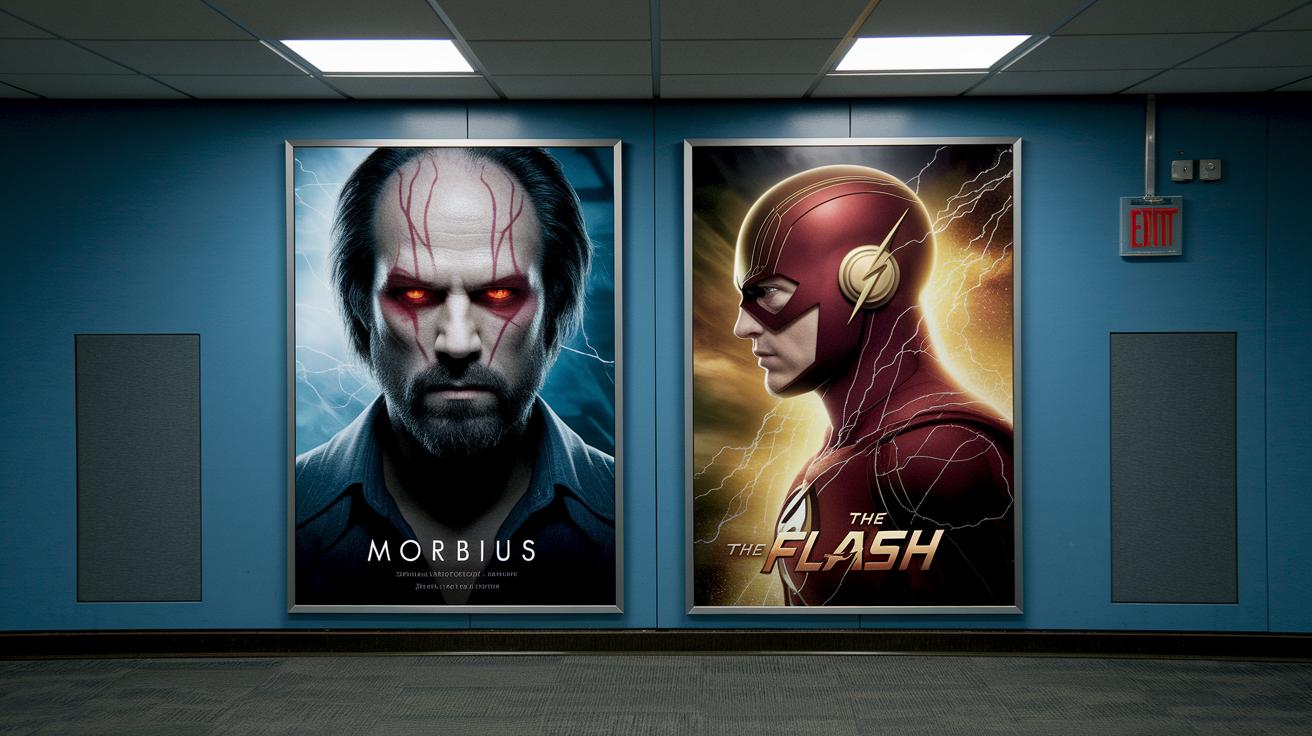
The Marvels is hardly alone; 2023 has been littered with superhero stumbles. Sony’s Morbius debuted decently then cratered, ultimately becoming an internet meme more than a hit. Warner’s The Flash, once touted as a course-correcting tent-pole, opened soft and collapsed 72.5 percent in weekend two, weighed down by off-screen controversies and CG criticisms. The common thread is waning audience patience for middling quality. When fatigue sets in, brand alone can’t compensate for storytelling perceived as generic. The Marvels now shares shelf space with these cautionary tales, illustrating that even household-name franchises aren’t immune to bad buzz.
How the MCU Traditionally Holds in Week Two

Until now, Marvel Studios prided itself on sturdy legs. Most Phase 1–3 entries fell 45–60 percent in their second frames; Black Panther dipped only 44.7 percent thanks to rave word-of-mouth. Even massive crossover events like Avengers: Endgame stemmed losses at 59.2 percent despite sky-high debuts. The Marvels’ 78.1 percent free-fall obliterates the previous MCU record held by Quantumania (-69.9 %). The list of 30-plus MCU titles shows only five surpassing a 67 percent slide, underscoring how severely The Marvels deviates from studio norms, and hinting at franchise-wide challenges Disney must confront.
What This Means for Marvel’s Future
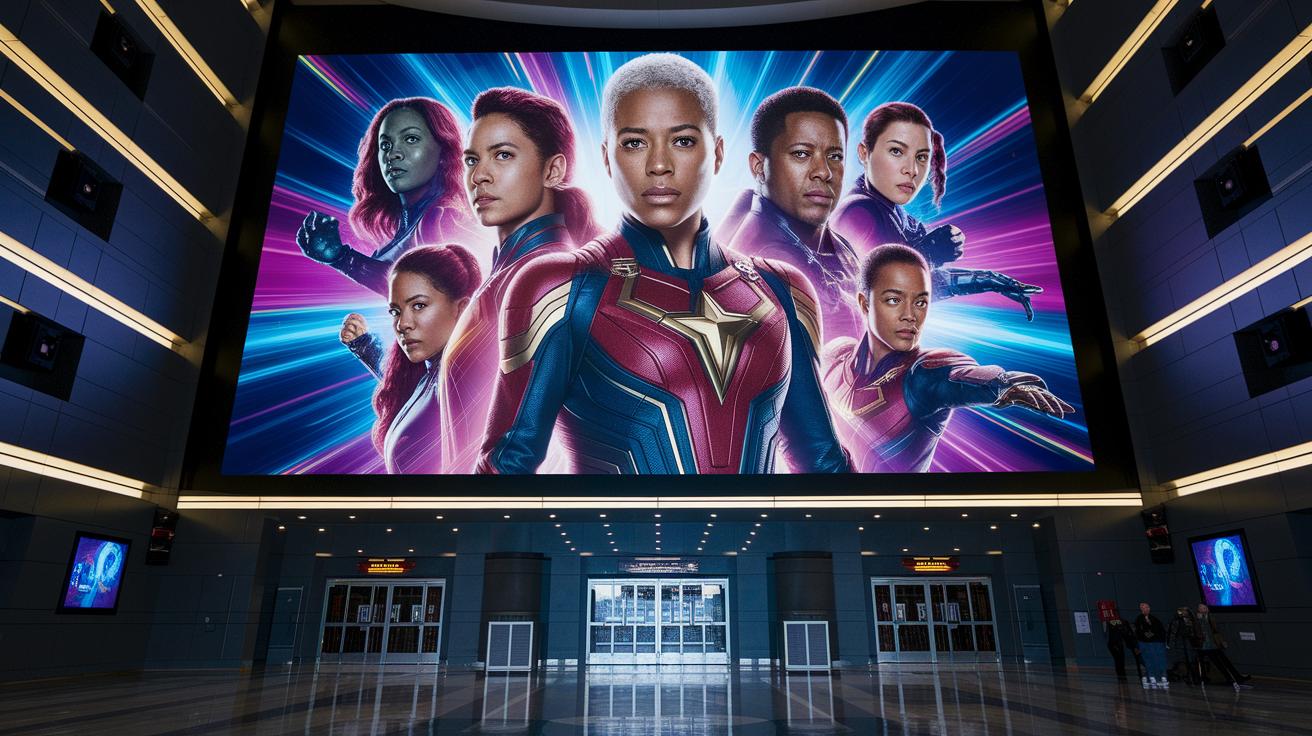
A single flop won’t sink an empire, but The Marvels amplifies existing concerns. Disney has already delayed multiple projects, reduced its Disney+ output, and promised more quality control after CEO Bob Iger cited superhero oversaturation. Expect longer gaps between releases, bigger marketing pivots toward fresh concepts like Deadpool 3, and a renewed emphasis on director-driven storytelling. Meanwhile, rival studios will scrutinize the data before green-lighting extravagant budgets. If superhero fatigue is real, 2024 and 2025 could mark a transitional era in which studios recalibrate expectations, relying less on connected universes and more on self-contained, high-concept spectacles.

