
Ever wonder why film noir still grabs everyone’s attention? This style popped up right after World War II and immediately hooked us with its dark moods and rugged, edgy characters. The lighting almost feels like a secret being let in, bright spots reveal just enough while thick shadows keep you guessing.
Step into those rainy, neon-lit streets where crime and tough choices come to life. Every scene turns ordinary moments into a mystery waiting to be solved. It’s simple yet powerful, showing how a few stark contrasts can tell a whole story.
Film Noir: Captivating Classic Cinematic Style
Film noir, meaning "black cinema" in French, got its name after World War II. American crime thrillers in the 1940s and 50s brought a darker, grittier vibe that made movie audiences lean in closer. Fun fact: in those early days, directors used deep shadows and high contrast as much as dialogue and action to spin their thrilling stories.
Back in the 1920s, Hollywood was already laying the groundwork with stories that felt raw and real. Writers like Dashiell Hammett, known for his tough tales in magazines like Black Mask, helped move the focus away from polished, high-society detectives. Instead, they painted a picture of urban streets where moral lines weren’t so clear.
Big historical moments also shaped the look and feel of film noir. The struggles of the Great Depression and the aftermath of World War II left a mark on society that seeped into movies. Imagine a time when hope was hard to come by and life felt as shadowy as a misty city street. Pessimism, skepticism, and blurred lines between right and wrong were everywhere. That raw mood is what made film noir so unforgettable, perfectly capturing the turbulent spirit of its time.
Visual Style and Cinematography in Film Noir
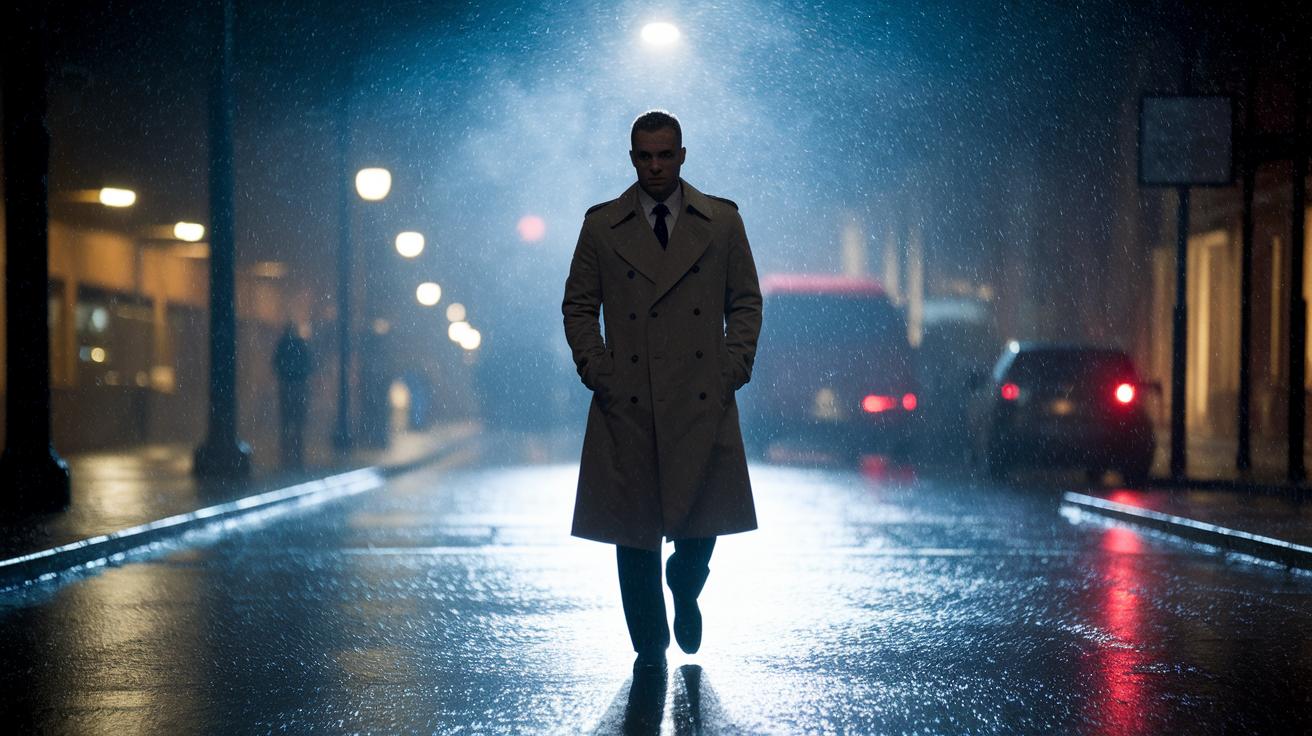
Film noir is a world of dramatic lighting and bold black-and-white images that set the stage for mystery. Directors used punchy, high-contrast, low-light scenes to create secrets hidden in the shadows. The stark visuals build an eerie vibe that pulls you right into the tough, no-nonsense feel of these films.
The camera does its part too. Clever angles and framing sneak little details into each shot, making you feel like you're right there, unraveling the mystery. Ever get that feeling of peering into a world of secrets? That’s film noir in action.
Key visual tricks include:
- High contrast that turns light into drama
- Strong shadow effects that add hidden details
- Venetian-blind shadow patterns creating cool textures
- Silhouette and backlighting that make characters stand out
- Detailed set and costume designs that tell their own story
- Smart use of smoke and fog to deepen the mood
All these visual moves work together to echo the inner conflicts of imperfect characters. Every play of light against dark mirrors the muddled nature of right and wrong. In film noir, every shot is a bold piece of the puzzle, weaving together a moody, unforgettable story.
Thematic Motifs and Narrative Structures in Film Noir
Film noir is all about a gritty, shadow-filled world where crime and corruption rule the streets. Picture a place where even the heroes are a bit rough around the edges and where every moral choice feels like a toss-up between right and wrong. It's like watching a tired detective stroll down a rain-soaked street, where every dark corner hints at secrets and every glimmer of light makes you wonder if anyone's truly pure.
In these stories, nothing is as simple as it seems. Every character hides a secret, and the line between good and bad is always a little blurry. The plots are packed with unsolved crimes, slick revenge stories, and shocking betrayals that keep you on the edge of your seat. It's as if the whole tale is a puzzle made of shadowy pieces, and every twist just adds another layer of suspense.
Then there’s the femme fatale, a captivating and dangerous presence who turns every meeting into a thrilling game of cat and mouse. With her irresistible charm and hidden agendas, she flips the script on everyone, drawing even the toughest antihero into her web of mystery and desire.
And let's not forget the storytelling tricks that make film noir so memorable. Flashbacks and voice-overs let old secrets come slowly into view, each one building the tension. A sudden flashback can change an ordinary scene into something electrifying, while a reflective voice-over gives you a sneak peek into a troubled soul. These techniques keep the whole thing brimming with mystery, where every new twist feels like a crucial missing piece of a dark, intricate puzzle.
Iconic Films and Key Directors of Film Noir
When you think about classic crime movies, you’re looking at films that pack a punch with hard-hitting stories and unforgettable style. We picked these movies because they broke new ground with creative storytelling and set the tone for film noir. These films and their directors not only created iconic scenes but also left a lasting mark on movie history.
Billy Wilder
Billy Wilder’s Double Indemnity (1944) is a knockout. Every moment is driven by tension and a maze of moral twists. It’s like watching a clock where every tick ramps up the thrill.
Fritz Lang
Fritz Lang’s The Woman in the Window (1944) turns simple scenes into dramatic stages. With vivid contrasts and careful framing, every shot bursts with shadows and intrigue. It’s a real visual treat that grabs you by the collar.
Orson Welles
Orson Welles flipped film noir on its head with Touch of Evil (1958). The film opens with an epic long take that feels as smooth as silk, pulling you into a world of corruption and secret motives. It boldly reminds us that truth isn’t always clear cut.
John Huston
John Huston made waves with films like The Maltese Falcon (1941) and Key Largo (1948). His clever dialogue and sharp character moments bring a rugged charm to every scene. His work captures that mix of certainty and doubt that defines noir perfectly.
| Film Title | Director | Year | Notable Feature |
|---|---|---|---|
| Laura | Otto Preminger | 1944 | Complex femme fatale |
| The Blue Dahlia | George Marshall | 1946 | Hard-boiled dialogue |
| Act of Violence | Fred Zinnemann | 1949 | Psychological drama |
| Touch of Evil | Orson Welles | 1958 | Innovative long take |
Evolution from Classic Noir to Neo-Noir
Back in the late 60s and early 70s, film noir got a cool upgrade into neo-noir. Movies like Chinatown (1974) were leading the way, mixing the old-school mystery with a modern twist. Directors started playing with bold colors and fresh storytelling techniques, yet they kept that signature vibe of tricky morals and gritty city life. It was a lively remix, reviving nostalgia while staying right in tune with contemporary styles.
Then, in the later part of the 20th century, neo-noir embraced a vivid new look with inventive color pops and real urban backdrops. Filmmakers loved capturing genuine city scenes to crank up the suspense. The creative play with light, color, and unexpected camera angles reshaped the classic noir style, all while keeping that familiar, enigmatic mood.
By the 2000s, indie filmmakers picked up the noir torch with a daring, experimental flair. Films like David Lynch’s Mulholland Drive (2001) threw in flashbacks and dramatic light contrasts that pulled you deep into a psychological maze. Today’s indie noir keeps digging into urban crime and murky ethical choices, proving that the heart of noir can always reinvent itself in fresh, contemporary settings.
Cultural Impact and Legacy of Film Noir
Film noir's moody vibe and rough style have seeped into books and essays, sparking a conversation about right and wrong in a world that feels a bit worn out. Its signature themes pop up in graphic novels and other stories that explore the blurry lines between good and evil, making it a favorite topic for both critics and fans.
Old movies are getting a fresh look through restoration projects and special archive releases. Festivals and collections, like those offered by Criterion, bring these timeless films back into the spotlight, allowing new generations to catch the flickering charm of a bygone era.
Even today, film noir's influence shows up in our favorite TV shows and online series. Modern storytellers borrow its bold visual style and complex characters, creating suspenseful tales with psychological twists that recall the classic vibe of noir. And with digital platforms offering crisp, high-definition versions, fans can enjoy every shadowy detail of urban landscapes and mysterious narratives.
Scholars just can’t get enough of it. Retrospectives, academic articles, and even college courses keep dissecting its themes of urban decay and moral ambiguity, proving that film noir’s lasting impact on storytelling is anything but a thing of the past.
Final Words
In the action, this post took a deep look at film noir, from its French roots to its shadowed cinematography and gritty storytelling. It showed how edgy visuals and morally gray heroes have left their mark on classic films and modern twists alike.
This wrap-up highlights not just film noir's rich history but its ongoing energy in pop culture. The style and themes continue to resonate today, breathing fresh life into the genre and sparking excitement among movie lovers everywhere.
FAQ
Q: What are film noir movies and what are some examples?
A: Film noir movies are crime thrillers mainly from the 1940s and 50s, known for moody lighting and troubled characters. Classic examples include Double Indemnity and The Maltese Falcon.
Q: What defines film noir style and fashion?
A: Film noir style is set apart by its dark visuals, high contrasts, and striking shadows. The fashion, like trench coats and fedoras, adds a slick, mysterious vibe that fits its edgy mood.
Q: What is considered the best example of film noir?
A: The best example of film noir is often cited as Double Indemnity. It perfectly blends a tense plot with visual flair and morally gray characters, capturing the heart of the genre.
Q: Is Dirty Harry considered film noir?
A: Dirty Harry carries some film noir vibes with its gritty detective story and ambiguous hero, but it leans more toward a modern crime thriller rather than classic film noir.
Q: Is Alfred Hitchcock film noir?
A: Alfred Hitchcock’s films share the suspense and dark mood of film noir but typically mix them with elements of thriller and mystery, placing him in a broader suspense category rather than strict noir.
Q: Is Pulp Fiction film noir?
A: Pulp Fiction mixes film noir traits—like morally ambiguous characters and nonlinear storytelling—with modern, quirky twists, making it a neo-noir film that pays tribute to the classic style.
Q: What is neo-noir?
A: Neo-noir refers to movies made after the classic noir era that update the style for modern audiences with color, fresh perspectives, and updated storytelling techniques while keeping the dark themes.
Q: How do tech noir, horror, thriller, western, and action relate to film noir?
A: These genres borrow film noir’s signature mood, moral gray areas, and visual style. They mix noir elements with their own themes, creating fresh stories that resonate with today’s audiences.

