
Ever wonder if today's lightning-fast headlines are stealing the show from the old-school charm of pop culture news? Back in the day, bold phrases burst across newspapers and radio like a dazzling firework display.
Then came TV and digital media, and suddenly, the style shifted in the blink of an eye. Now, punchy words have traded full-page spreads for snappy, mobile-friendly clips.
It’s kind of wild to think how even our headlines keep pace with our fast-moving world. The art of grabbing attention is as cool and effective as ever.
Historical Timeline of Pop Headlines in Entertainment Journalism
In the early 1900s, pop headlines burst onto the scene as radio and cinema turned Hollywood into the ultimate must-see spectacle. Editors loved using punchy and clever phrases to make stars like Charlie Chaplin and Greta Garbo sparkle. Remember "Star-Studded Sensation"? That headline captured the silent film magic and got people buzzing.
Then the 1960s arrived and TV changed everything. Shows like The Ed Sullivan Show mixed catchy words with cool visuals. Teasers like "Beatlemania Strikes the Screen" gave viewers a sneak peek of all the backstage buzz. It was a fun mash-up of picture and word that fit perfectly with the booming TV era.
Fast forward to the digital revolution, where the internet, social media, and streaming flipped the script yet again. Headlines got shorter and snappier, designed for busy, on-the-go audiences. By 2021, nearly everyone was watching videos online, mostly on their mobile devices. Now, headlines thrive on quick, data-driven creativity and global teamwork. With tech like AI art and virtual reality ready to take the stage, the art of pop headlines is only getting more exciting.
| Era | Headline Style | Defining Traits |
|---|---|---|
| Print Tabloids | Bold, catchy phrases | Star portraits and dramatic flair |
| TV Tie-Ins | Visual teasers and witty blurbs | Image-driven segments and lively text |
| Digital Buzz | Short, mobile-friendly hooks | Data-driven insights and fast-paced style |
Print-Era Pop Headlines: Tabloids of the Golden Age
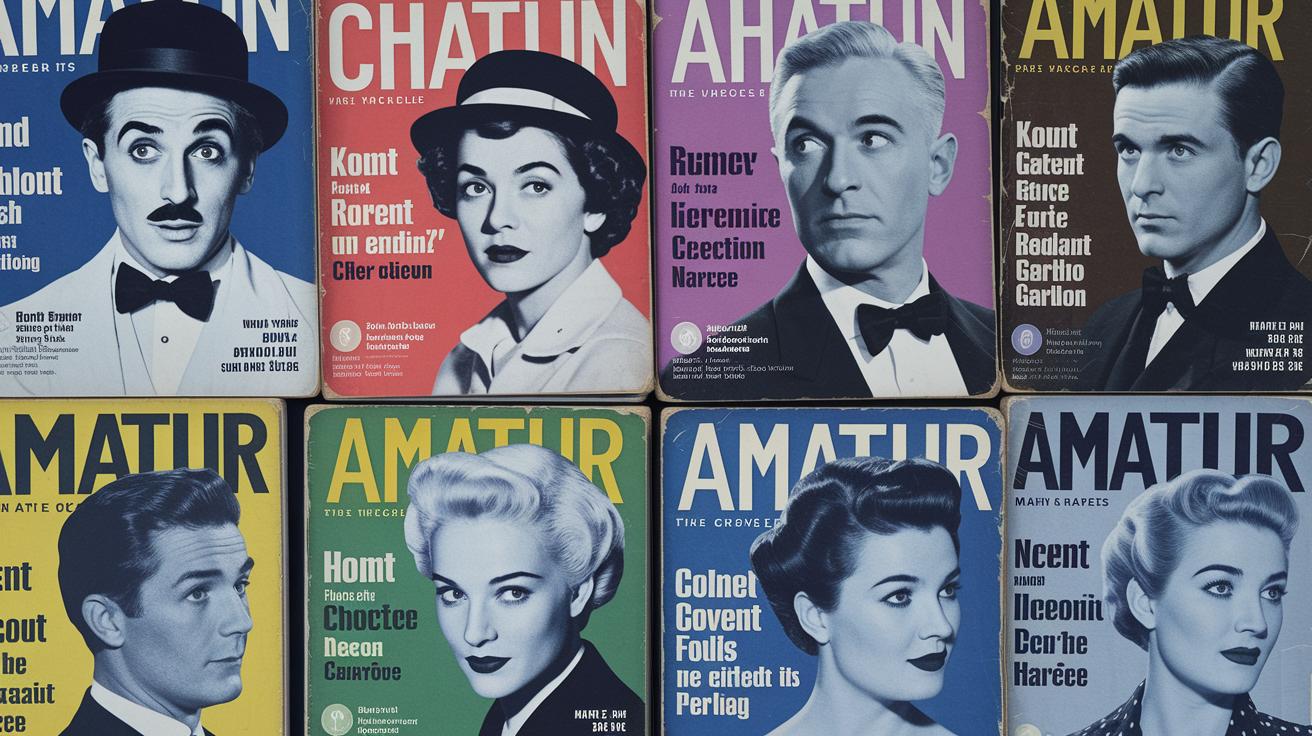
Back in the early 1900s, fan magazines and tabloids loved to shout about movie legends. They used bold fonts and fun, rhythmic language to spotlight stars like Chaplin and Garbo, setting the stage for modern pop culture journalism.
Looking back, it's clear how dynamic verbs and catchy star nicknames made these icons seem even larger than life. The studio system cranked up the drama with layouts designed to wow and charm the fans.
- Clever nicknames that made stars feel like old friends
- Action-packed words that boosted the excitement
- Bold, eye-grabbing fonts that demanded your attention
- Playful alliteration that added a musical twist
- Punctuation that sparked immediate thrills
Television’s Role in Shaping Pop Headlines, 1960s–1980s
TV totally changed the game in the 1960s. It mixed live musical acts with snappy, image-rich text that grabbed attention. The Ed Sullivan Show kicked things off by popularizing quick teaser blurbs and cool image-text combos that really hit home with viewers. This era also sparked popology, a fun style that paired catchy phrases like "LOVE & LIKE" with smart visual storytelling to capture the vibe of the times.
Teaser Blurbs
Teaser blurbs built a buzz with short, punchy lines. For example, they might drop a surprising fact like, "Before lighting up the big screen, this icon wowed crowds with an impromptu street show."
Image-Caption Pairing
Brief captions teamed with striking images gave every story a visual and verbal punch. Picture a bold image paired with the line, "A burst of energy captured mid-cheer at a live event." It was all about making the moment pop.
Recurring Segment Highlights
Regular segments such as backstage chats and pre-show rundowns added a steady rhythm to the news. They kept the storytelling fresh, like that well-loved backstage peek showing the raw, off-script moments behind all the glam.
Sensational Pop Headlines: Gossip Columns in the 1990s–2000s
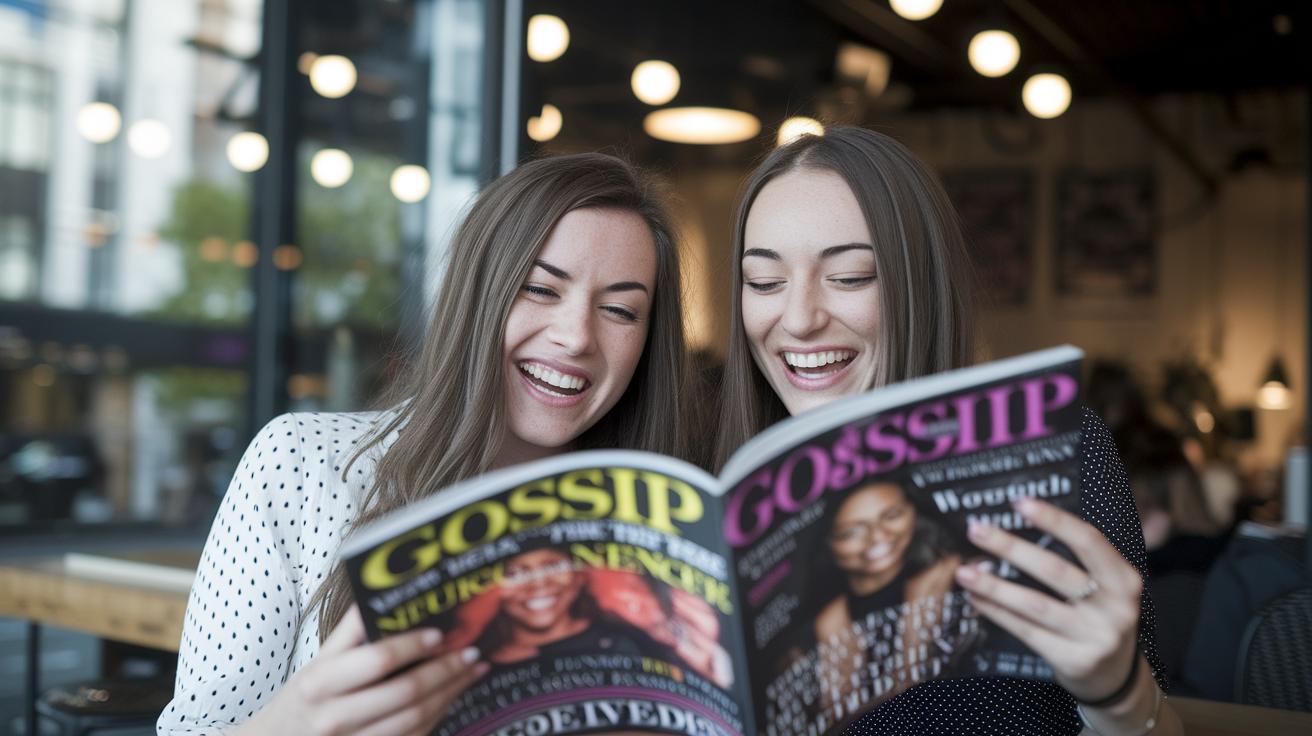
Back in the '90s and early 2000s, gossip columns were the stars of the show. Editors would take every little rumor and turn it into pure headline magic. Celebrities got caught up in wild stories where every scandal felt like a must-read mini-novel. Picture a headline saying, "Secrets, Scandals, and Shocks – A Hollywood Night Out." Instantly, you're drawn into the excitement.
These columns turned soft whispers into bold, eye-catching statements. Every headline felt like overhearing a secret conversation at an exclusive party. The goal was simple: keep it fun, dramatic, and just a bit cheeky. Readers knew a scandal was coming up next, and the mix of playful language and suspense had everyone hooked.
- Double entendre headlines – When fame flirts with mischief, cheeky stories unfold.
- Cliffhanger teasers – Just when you think it’s over, the tale takes a wild twist…
- Bold scandal titles – Behind closed doors: The secrets that rock Tinseltown.
- Dramatized mini-drama setups – Hushed whispers suddenly burst into headline news.
- Punchy, playful hooks – From glittering glamour to jaw-dropping scandal, every twist counts.
Digital Buzz: The Evolution of Headline Strategies
The internet and social media have totally changed how headlines are made. What used to be a job just for editors is now a mix of creative hunches and smart data tweaks. By 2021, almost all U.S. adults were watching online videos, 70% on their phones. That means publishers had to whip up short, snappy titles that grab your attention in a flash. It’s like blending the old-school punchy headlines with fresh, on-the-fly data moves.
Clickbait Strategy Emergence
Think about those cute listicles and teasing questions you see everywhere. Editors started using fun hooks like "You Won't Believe What Happened Next" to pull you in, much like a buddy dishing out an exciting backstage secret.
Algorithmic Headline Curation
Now, data is king. Tools like A/B testing and SEO checks help publishers fine-tune titles based on what readers actually click on. Headlines can change quickly, much like a remix where creative flair and hard data come together to create something fresh.
Social Media’s Impact on Modern Pop Headlines and Future Directions

Social media and digital tools are speeding up headline creation like never before. Platforms like TikTok and Twitter set trends in real time, making news as fresh as your favorite backstage scoop. Remember that buzzworthy line, "Before filming, this icon broke the internet"? It’s a perfect example of the magic happening right now.
Editors are blending data from smart algorithms with the latest social trends to morph everyday news into shareable moments that catch your eye. Plus, cool tech like AI, which can automatically create headlines, and VR previews that give you a taste of the story are joining the party, keeping audiences hooked and engaged.
Ever notice how a surprising fact can grab you right off the bat? That same "icon broke the internet" line does just that. You can even check out examples like the “Rachel Zegler Interview” or “Most Memorable Celebrity Interviews” for a dose of pure pop energy.
| What’s Happening | How It Works |
|---|---|
| Headlines in Minutes | Social platforms spread them super fast |
| Refined Pop Journalism | Advanced tech sharpens content strategies |
In the end, when AI and social media team up, they keep pop headlines fresh, fun, and on the pulse of what's next.
Final Words
In the action, we witnessed how pop headlines morphed from bold print bursts in early tabloids to TV tie-in teasers and sensational gossip columns, all leading to today’s quick-hit digital style. We've traced the journey through news types that shifted with radio, TV magic, and now the online buzz. This recap shows how smart changes in design and style keep headlines fresh and engaging. Embracing the evolution of pop headlines in entertainment journalism makes it clear – the future is bright and full of surprises!
FAQ
Frequently Asked Questions
A: The evolution of pop headlines in entertainment journalism essay shows how early print styles transformed through TV tie-ins and digital buzz, reshaping how we catch the latest celeb news.
A: The history of popular culture PDF details key moments in pop media’s growth, from early print headlines to modern online trends, revealing how entertainment news evolved over time.
A: The pop culture timeline 20th century shows major shifts in headline styles—from bold print tabloids to punchy TV teasers—highlighting landmark moments in entertainment reportage.
A: The pop culture history timeline displays important events by marking shifts in media trends and headline styles that redefined how celebrity news captivated audiences worldwide.
A: Pop culture started rising in the early 20th century with print tabloids and fan magazines setting the stage, eventually evolving into today’s dynamic digital formats.
A: Pop culture originated during the early media boom when print, radio, and cinema sparked a public obsession with celebrity lives and dramatic storytelling.
A: One of the earliest forms of pop culture was the eye-catching print tabloids that spotlighted star icons like Chaplin and Garbo, laying the groundwork for modern celebrity journalism.
Pop Culture Headlines Timeline
| Era | Headline Style | Defining Traits |
|---|---|---|
| Print Tabloids | Bold, Alliterative | Eye-catching design, star portraits, dramatic phrasing |
| TV Tie-Ins | Teaser Blurbs and Image-Caption Pairing | Guest lineups, punchy blurbs, visual storytelling |
| Digital Buzz | Brief, Optimized Headlines | Clickbait hooks, algorithmic curation, mobile-friendly |

